Beqa Adventure Divers: Shark Reef Marine Reserve
Concessional loan agreement with Beqa Adventure Divers, Fiji
 Overfishing and Destructive Fishing
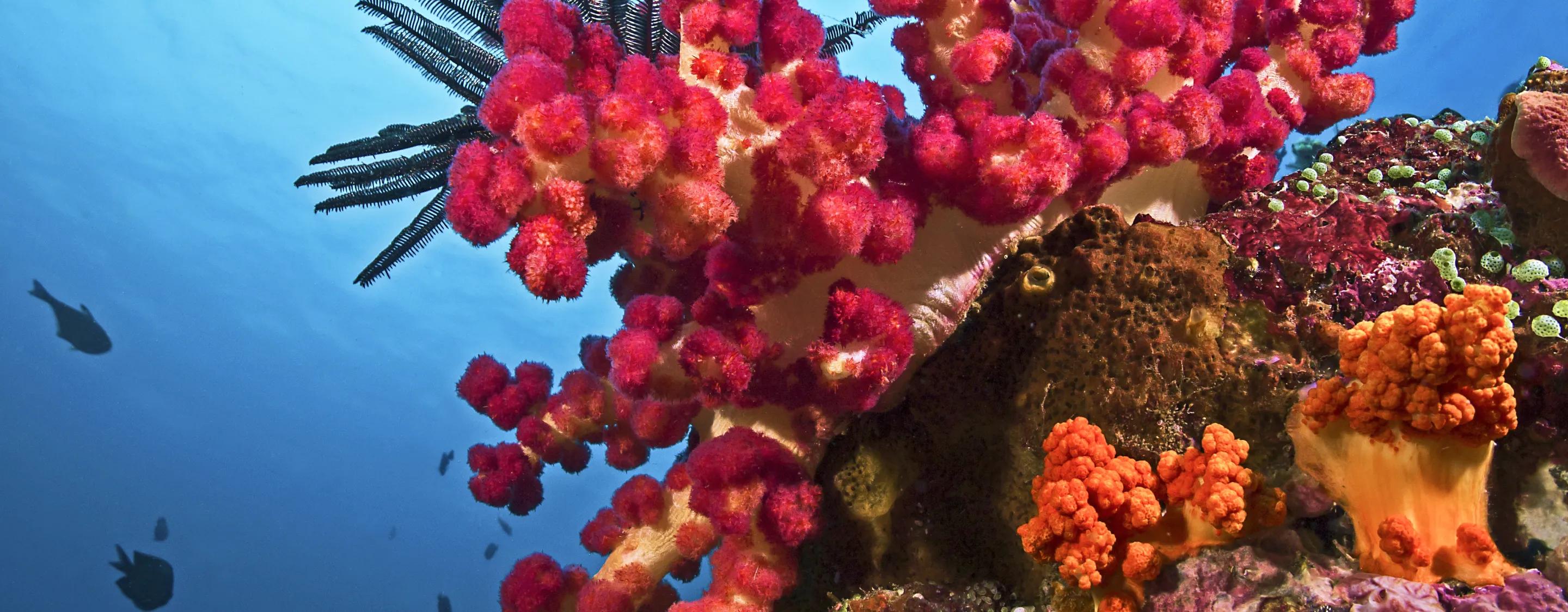
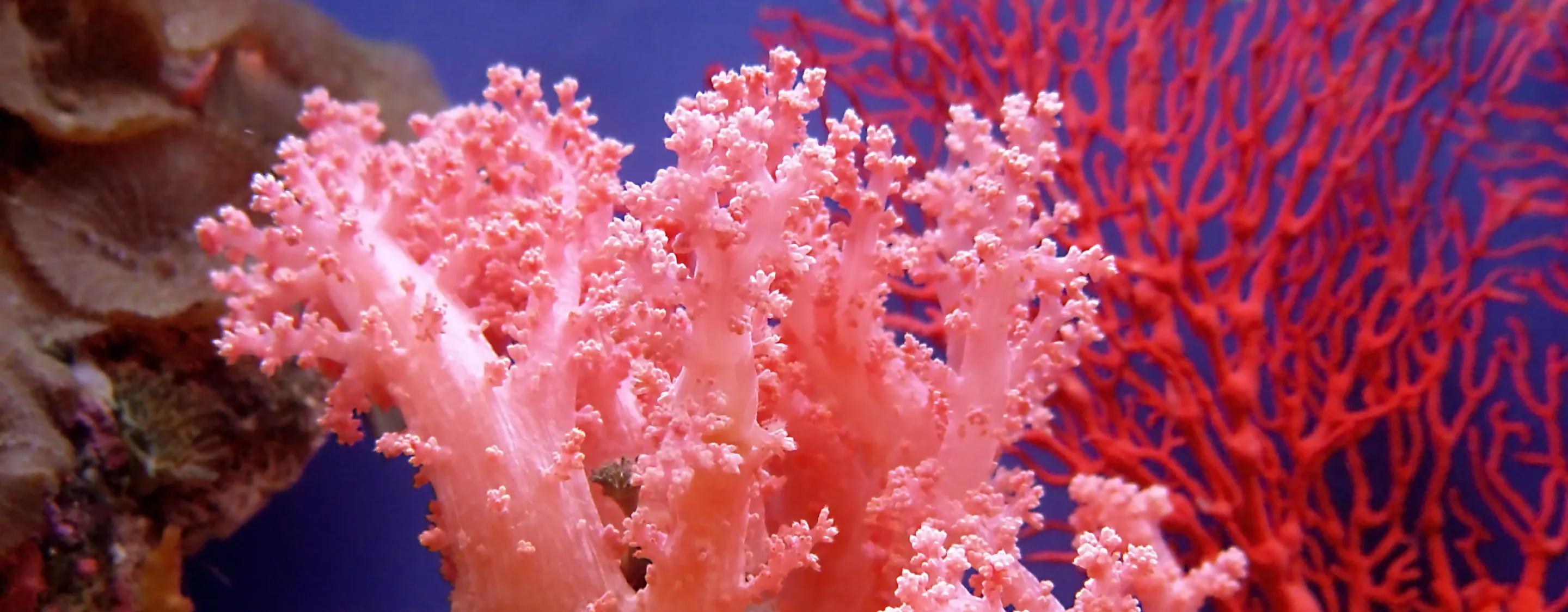
 Coral Reefs Restoration
Beqa Adventure Divers: Pioneering Fiji’s Blue Economy through Shark Conservation and Sustainable Marine Tourism
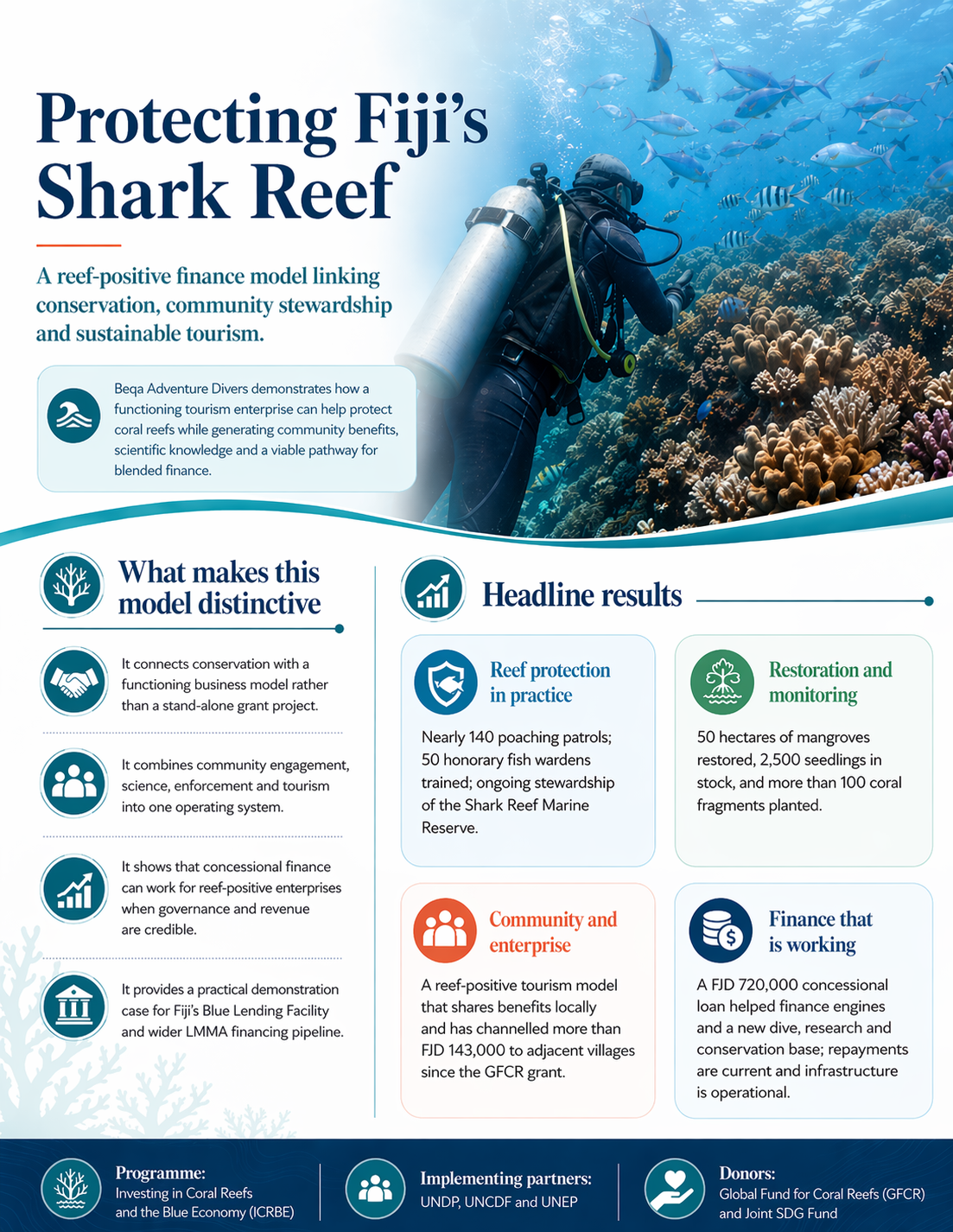
Beqa Adventure Divers (BAD) stands as a globally recognized for responsible marine tourism—renowned for pioneering a model that pairs respectful, safe, and sustainable shark encounters with cutting-edge research and conservation, in close collaboration with government authorities and local grassroots communities.
In November 2014, the Shark Reef Marine Reserve (SRMR)—a section of patch reef located approximately 3 km off the southern coast of Viti Levu—was officially designated as Fiji’s first National Marine Park under the Fisheries Act (1942, Cap 158). Entrusted with its ongoing stewardship, BAD continues to oversee the site’s ecological integrity, ensuring a thriving balance between biodiversity conservation, tourism and community benefit. Scientific benthic assessments conducted in 2014 and 2022 recorded coral cover levels ranging from 40% to 60%, demonstrating robust reef accretion and the long-term success of targeted conservation measures in enhancing coral resilience.
Through the Global Fund for Coral Reefs (GFCR) and the Joint SDG Fund (JSDG) grant of USD 150,000, BAD has successfully expanded its impact—supporting anti-poaching patrols, deepened community engagement with Galoa villages, and initiated new scientific research including fish counts, benthic biodiversity surveys, indicator species analysis, and baited remote video assessments. Complementary environmental projects such as mangrove nurseries, coral farming, clam nurseries, and citizen science initiatives are empowering local stakeholders while strengthening ecological recovery.
This integrated model showcases how science-based conservation, community collaboration, and eco-enterprise can thrive together. By combining financial sustainability with measurable ecological impact, BAD’s work offers a scalable and investable blueprint for funders and private-sector partners seeking to make a lasting difference in the blue economy—where protecting sharks means protecting coral reefs, communities, and the shared future of our oceans.
Building a Sustainable Blue Future: Investing in Marine Innovation and Resilience
Backed by an investment of USD 350,000, this initiative marks a bold step toward advancing Fiji’s sustainable ocean economy. Financed through the Global Fund for Coral Reefs (GFCR) and the Joint SDG Fund (JSDG), the project has enabled the purchase of new engines for patrol and research boats and the construction of a modern, sustainable base station for diving, marine research, and ecological monitoring. The new facility now serves as a dynamic hub for conservation and eco-tourism, providing on-site accommodation for visiting scientists that generate income while supporting coral reef protection. By sustaining full and timely loan repayments, BAD demonstrates how strong environmental stewardship can align seamlessly with viable private-sector investment—providing a proven model for scalable, blue-economy solutions across Fiji and the wider Pacific.
In BAD’s 20 years of existence, they have
- Successfully serviced over 50,000 satisfied dive tourists
- Contributed over FJD 20 million in direct, and FJD 150 million in indirect revenues to Fiji’s economy
- Trained over 50 extremely well-qualified and well-paid diving professionals and over 500 SCUBA divers.
Most of BAD’s Dive Masters are graduates of their youth program that supports school leavers who would not have otherwise found employment.
- On top of several millions in wages, directly contributed over FJD 500,000.00 to local grassroots communities
- Facilitated the publication of over two dozen scientific reports and peer reviewed research papers
- Pioneered the legislation leading to the establishment of Fiji’s first National Marine Park, the Shark Reef Marine Reserve along with several gazetted, and thus enforceable MPAs.
- Sponsored the training of over 50 honorary fish wardens, among which many are BAD’s staff.
- Pioneered Fiji’s first Public-Private Partnership in Marine Conservation
- Helped restore more than 50 hectares of mangrove forests
- Been mentioned in countless print, video and social media by the most prestigious quarters
Target Milestones and Lessons Learned
Target Milestones
The BAD's transactions with the Fiji Programme financed new boat engines, poaching patrols, mangrove restoration, community awareness and the construction of a new sustainable base station for diving and marine research. By the end of 2025, this base station had been completed, was operating well, and BAD was fully current on repayments, with no issues reported. The report also notes that Shark Reef Marine Reserve already had robust investment-readiness plans in place, while the environmental readiness screening for SRMR had been completed. Looking ahead, the programme identifies 2026 as the next critical phase, with BAD expected to continue serving as a demonstration model of reef-positive finance through ongoing repayment, operational stability, benthic impact survey and continue to build stronger evidence of conservation and livelihood impact.
More broadly, the programme’s 2025 and 2026 milestone pathway is also relevant to BAD’s position within Fiji’s blue finance landscape. Key 2025 achievements included structuring the Blue Lending Facility within the Fiji Development Bank, preparing a USD 924,489 credit guarantee to unlock up to USD 1,320,699 in lending, and advancing a pipeline of reef-positive enterprises and LMMAs toward investment readiness. For 2026, the report targets finalisation of business plans and financial models, activation of the guarantee, and first loan disbursements to LMMAs and reef-positive enterprises, marking the shift from readiness to capital deployment.