
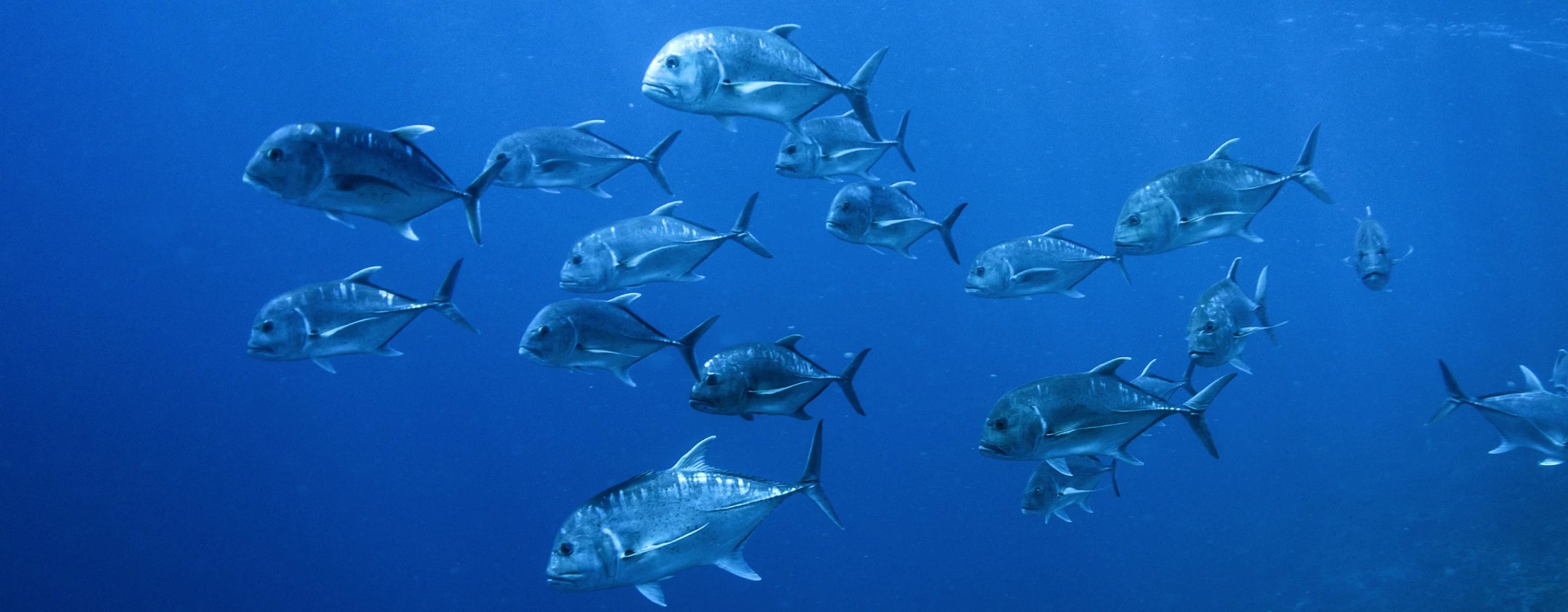
RESTORE The Indian Ocean’s Seedbed
The Northern Mozambique Channel region makes up a tiny part of the vast Indian Ocean – but it contains 35% of its coral reefs. Meet the communities reviving ~5 million hectares of this global treasure. ‘Restoring the Northern Mozambique Channel Region’ has been recognized as a World Restoration Flagship under the UN Decade on Ecosystem Restoration. These initiatives represent Earth’s frontiers of hope. Watch the RESTORE documentary series to learn about winning solutions. Explore how you can join #GenerationRestoration www.decadeonestoration.org
This small region boasts 35 per cent of the coral reefs found in the entire Indian Ocean and is considered as its seedbed and nursery. Agricultural run-offs, overfishing, and climate change threaten this economically and ecologically important stretch of ocean. Comoros, Madagascar, Mozambique, and Tanzania are already working together to manage, protect, and restore almost 87,200 hectares of interconnected land- and seascapes, benefitting both nature and people. Actions undertaken today to maintain it include restoration of blue and green forests by creating interconnected restoration corridors, mangroves, and coral reef ecosystems, and improving fisheries management. These efforts, championed by the NGO World Wide Fund for Nature (WWF) and UN agencies alike, encompass multiple levels and sites, spanning both land and seascapes. With adequate financing, 4.85 million hectares are expected to be restored by 2030. This is expected to improve communities’ well-being and socio-economic development, including a 30 per cent increase in household income in target areas, and create over 2,000 jobs and 12 community-based enterprises, while integrating indigenous practices. Madagascar’s mangroves already store more than 300 million tons of carbon dioxide equivalent (CO₂e), comparable to the annual electricity use in over 62 million homes in the United States. The restoration is expected to increase the capacity of the four countries involved to absorb CO₂ and help tackle climate change.
Related Knowledge Products
ECO-SI Coral Reefs 2020
- Article
No sizes attribute provided
GFCR Stakeholder Engagement Policy
- Policy
No sizes attribute provided