Advancing Sustainable Financing for Marine Conservation in Derawan MPA
Derawan MPA is a Coral Triangle marine biodiversity hotspot where sustainable financing is being developed to strengthen long-term conservation.
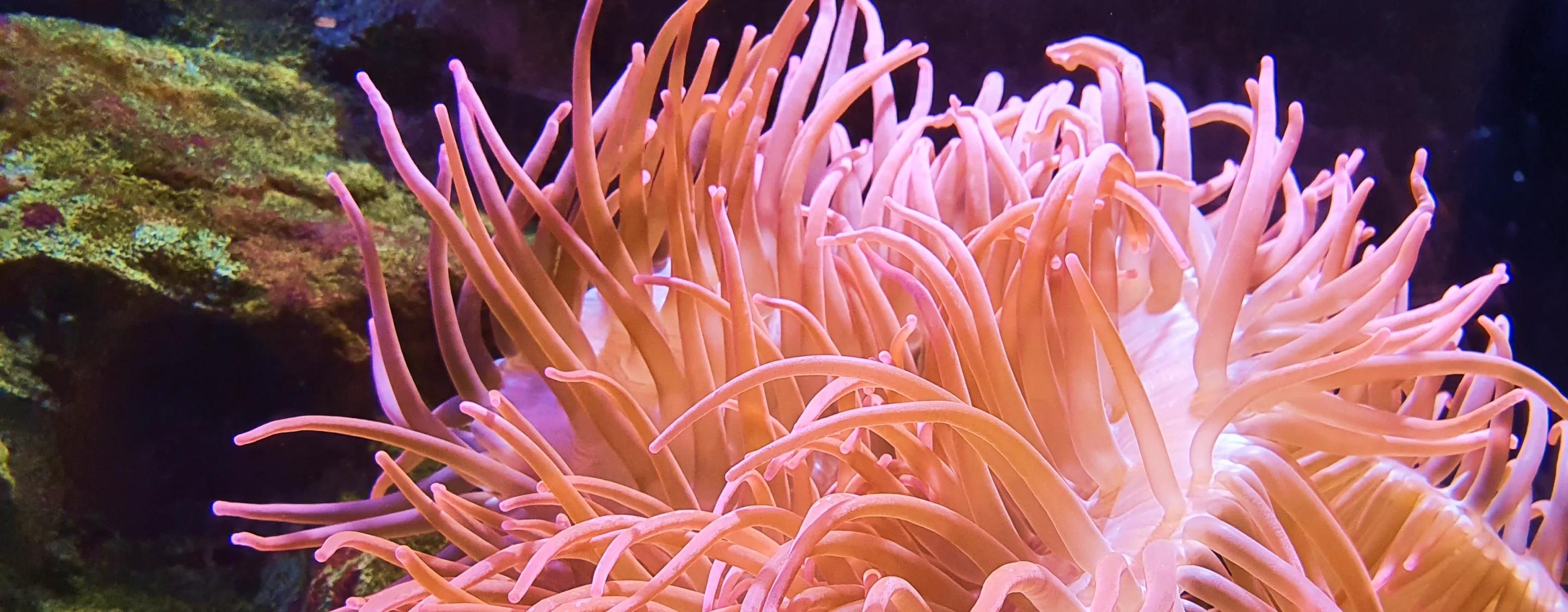
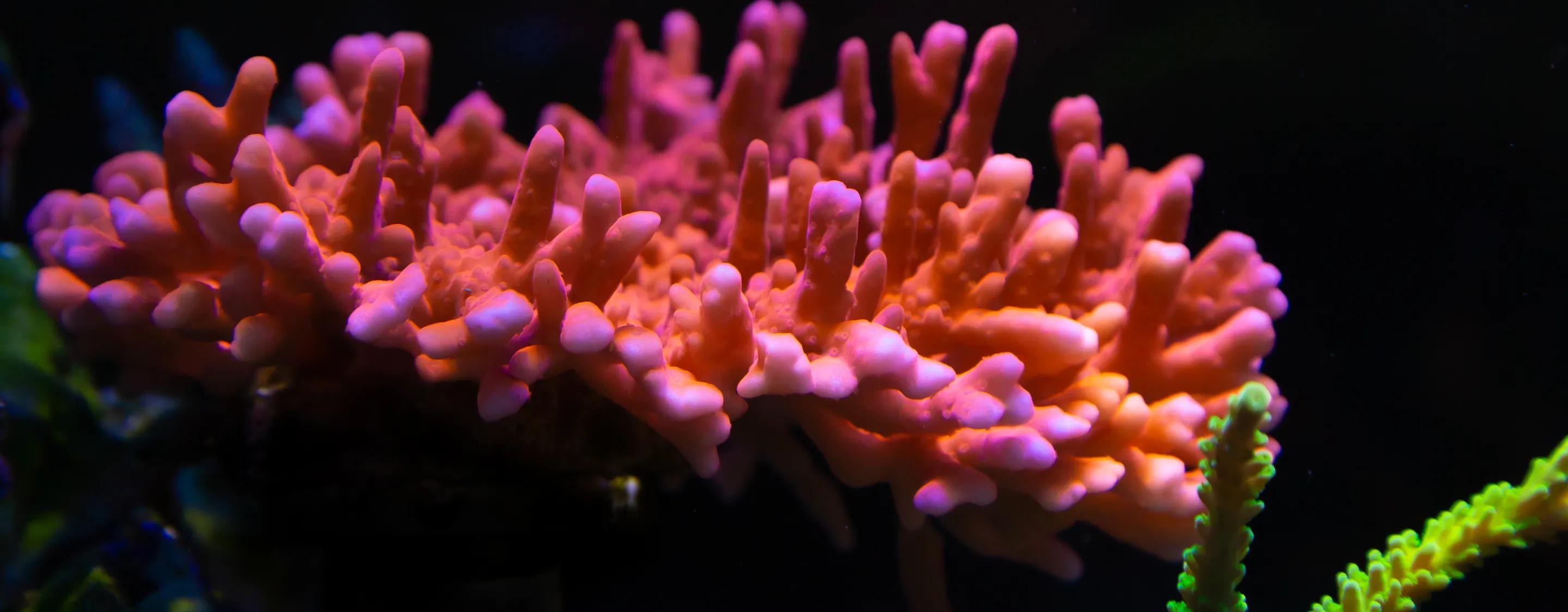
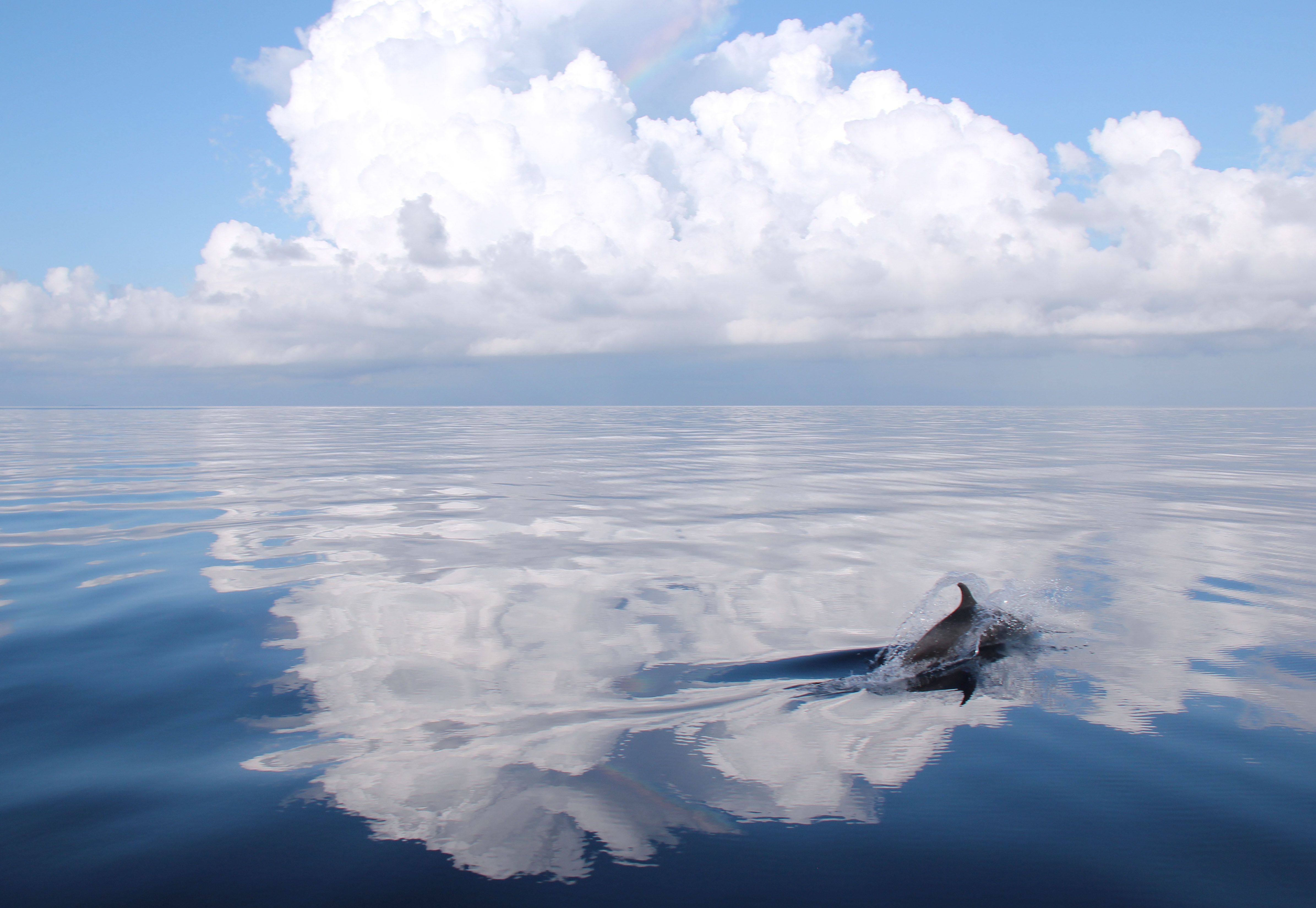
The Derawan Marine Protected Area (Derawan MPA) in Berau District, East Kalimantan, Indonesia, is one of the most important marine ecosystems in the world. Covering around 285,548 hectares, this area lies within the Coral Triangle, a global center of marine biodiversity. It is home to coral reefs, seagrass beds, mangroves, and a wide range of fish and marine species. The area also serves as an important migration route for marine life and supports fisheries that are essential for food security and local livelihoods.
Because of its high ecological and economic value, the Derawan MPA needs to be managed in a way that is both effective and sustainable. However, one of the biggest challenges in marine conservation is ensuring stable and long-term funding. Conservation activities such as protecting coral reefs, monitoring marine life, and restoring damaged ecosystems require continuous resources. When funding is uncertain, these efforts can be disrupted, which weakens protection for the environment.
The East Kalimantan Marine and Fisheries Office has emphasized that sustainable financing is a key challenge in managing marine conservation areas. Many programs still rely on short-term funding, which is not enough to support long-term environmental protection. Because of this, stronger and more reliable funding approaches are needed.
To improve management, the provincial government has established a dedicated management unit, the UPTD KKP3K-KDPS, to oversee the Derawan MPA. This unit was created to ensure that conservation efforts are better coordinated and more effective on the ground.
A key development in strengthening management is the introduction of a new financial approach known as BLUD (Public Service Agency). This approach allows the management unit to use part of the income generated from conservation-related activities directly for operations and environmental programs. With this system, management becomes more flexible and responsive to field needs, rather than relying fully on annual government budgets.
This approach also helps improve the quality of human resources, allowing the involvement of professionals with specific skills in conservation and marine management. Overall, it aims to make the management of the Derawan MPA more efficient, transparent, and focused on long-term environmental protection.
Support also comes from conservation partners. Through the Koralestari Program, supported by the Global Fund for Coral Reefs (GFCR), Yayasan Konservasi Alam Nusantara (YKAN) is advancing new and more sustainable approaches to financing marine conservation in Indonesia.
YKAN supports this effort because it is seen as an important step toward ensuring that marine protected area is not only effective today, but also sustainable for the future. By combining better financial management with conservation work, the Derawan MPA can better protect its ecosystems while also supporting the communities that depend on this area.