New finance facility launched in Solomon Islands to protect coral reefs and local businesses
WWF, GFCR, UNCDF and DBSI partner to protect coral reefs regarded as a global priority for climate adaptation while strengthening livelihoods of 335,000 Solomon Islanders
Oct. 22nd — HONIARA, Solomon Islands
A new Blue Finance Facility was launched in the Solomon Islands today to provide affordable finance to businesses that support healthy coral reef ecosystems.
The facility that falls under the Coral Reef Resilience Project will also create jobs and lead to better economic opportunities for coastal communities. The project led by the World Wildlife Fund (WWF) along with the UN Capital Development Fund (UNCDF) is funded by the Global Fund for Coral Reefs (GFCR), with the Development Bank of Solomon Islands (DBSI) delivering the financing.
The facility that was introduced at DBSI's Climate Impact Showcase, in the capital Honiara, will provide concessional loans to "reef-positive" enterprises operating in sectors such as sustainable fisheries, aquaculture agroforestry, ecotourism, and waste management. These businesses reduce pressure on coral reefs while generating income, jobs, and long-term community benefits.
The launch comes at a pivotal moment ahead of COP31, as Pacific countries continue to call for greater access to climate adaptation finance that reaches communities directly.
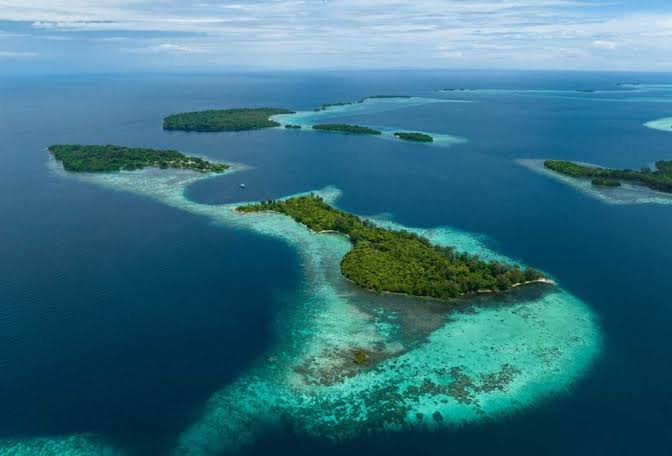
The initiative focuses on one of the world's most important reef systems. Solomon Islands is home to 485 recorded coral species across approximately 3,591 square kilometres of reef.
Located on the eastern edge of the Coral Triangle, Solomon Islands' reefs are recognised for their exceptional biodiversity and global ecological importance.
The Solomon Islands also stands out as a rare bright spot at a time when reefs worldwide are in decline: the new50 Reefs study estimates that 35% of coral reefs in the Solomon Islands have the conditions necessary to persist under future warming.
Their high importance for communities in Solomon Islands – a country at the forefront of climate change - and their global significance as climate refugia makes them a priority for coral reef conservation.
Yet these ecosystems face growing pressure from overfishing, pollution and unsustainable development.
The facility will initially support up to five enterprises with supply chains in Central, Malaita, Isabel and Western provinces, while demonstrating business models that can be replicated across the Pacific.
Supported through GFCR's global blended finance platform, the initiative aims to build reef-positive economies while directing investment towards outcomes that benefit both people and nature.
“New Zealand’s support for the Blue Finance Facility that has been launched today reflects our commitment to finding innovative solutions that help Solomon Islands’ businesses grow in ways that benefit both people and the environment” said Jonathan Curr, New Zealand High Commissioner to Solomon Islands. “New Zealand is a proud supporter of the Global Fund for Coral Reefs which is strengthening resilience of coral reefs across the world, including in the Pacific Islands. The GFCR is advancing locally led solutions that protect coral reefs, sustain livelihoods and expand economic opportunities. We look forward to seeing local businesses and communities here in Solomon Islands benefit from this new facility."
Protecting reefs that communities depend on
Healthy coral reefs support the livelihoods and food security of an estimated 335,000 Solomon Islanders – about 95 percent of the country’ population live along the coast – making their protection both an environmental and economic priority.
With domestic demand for coastal fisheries expected to exceed supply by 2030, safeguarding reef health is also critical for future food security and community resilience.
Building reef-positive businesses
Many reef-positive businesses struggle to access finance because they are small, seed-stage, or unfamiliar to traditional lenders. The Blue Finance Facility is designed to bridge that gap by helping promising reef-positive enterprises to expand their impact while building DBSI's capacity to lend to this sector.
Under the partnership:
- WWF will provide scientific expertise to determine priorities related to high-value reefs and the most prominent threats, as well asbusiness development support and small grants to help enterprises strengthen operations and environmental performance.
- UNCDF will provide catalytic blended-finance capital and technical assistance, co-financed through the Sustainable Pacific Blue Circle Fund, while leveraging its broader financial inclusion work under the Pacific Digital Economy Programme.
- DBSI will manage client relationships and carry lending on its own balance sheet, building long-term expertise within the domestic financial sector.
- GFCR will provide the catalytic funding that will underpin the Blue Finance Facility, helping to unlock domestic lending to reef-positive enterprises as part of its global effort to scale sustainable reef-positive economies through blended finance.
- Rather than creating a standalone project, the initiative works through Solomon Islands' national development bank, helping strengthen local financial institutions and ensuring long-term impact.
In Solomon Islands, the Blue Finance Facility forms part of a growing portfolio of locally delivered climate finance initiatives, including a financing facility for local contractors under the LoCAL programme. Together, these efforts demonstrate how finance can be channelled through local institutions to protect critical ecosystems, strengthen livelihoods and build climate resilience across the Pacific.